Native Wild Flowers
Native wildflower meadows are flower-rich, semi-natural grasslands supporting high biodiversity. The UK has lost over 97% of its traditional wildflower meadows since the 1930s due to agricultural intensification, making restoration and creation vital for pollinators and carbon storage.
Of prime importance, Andrew has collected, pressed and preserved an impressive range of wild flowers over a period many decades.

Wild Flower collection binders
A
T


The Ox-Eye Daisy flowers between May & September & grows in large groups in most traditional meadows
White Campions flower between May & October whilst the Red between March & November in traditional meadows & shaded woodland groves
Wild and False Oats inhabit traditional meadows but the Wild version is often mistaken for Wild Brome grass


Pignut & Wild carrot flower between June & September & found mostly in traditional wetter meadows
Cut-Leaved Cranessbill & Wood Cranesbill open their flowers in May & last through to September. They reside in traditional meadows at lower levels alongside grass
Barren Brome Grass & Meadow Barley. Both found in traditional meadows & derelict land. Barren Brome Grass can cause problems in cultivated Barley fields


Cock's Foot & Reed Grass are common in heavier clay soil & coal measures on traditional meadows
Great & Rosebay Willowherbs flower between June & August & grow in clumps in marshier meadows
Roughish Meadow Grass & Rough Panick Grass. Both can be found on well-established traditional meadows on lighter soils
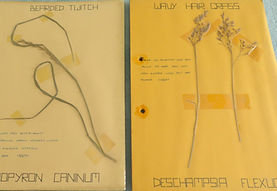
Bearded Twitch and Wavy Hair Grass are found on traditional meadows which have lighter soils

Rough Poppy and Long headed poppy. Flowers June-August. Found on disruptive land and traditional meadows.

The Hall & Duck Trust

Collectors of vintage lawnmowers & housing the premier historic collection of mowers in Great Britain
